

Clear Warning Signs Your Car Should Be Carried, Not Pulled
If your car has major damage, will not roll, or has drivetrain problems, it likely needs flatbed towing instead of a standard tow. A flatbed keeps all four wheels off the ground. This prevents more damage and keeps your vehicle stable during transport. Knowing the signs can save you money and stress.
Quick Diagnosis: When a Flatbed Is the Safer Choice
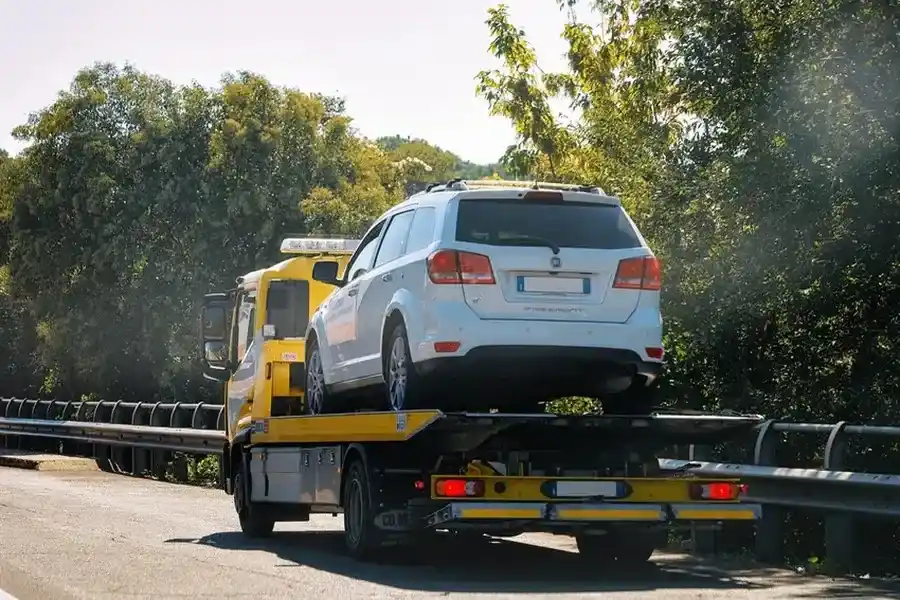
Some breakdowns are minor. Others can get worse if the car is pulled with two wheels on the road. Flatbed towing is best when your vehicle cannot move safely on its own wheels. It is also the safer option after an accident or when your car sits very low to the ground.
If you are unsure, it is always better to choose the tow method that protects your vehicle fully.
Common Symptoms That Point to Flatbed Towing
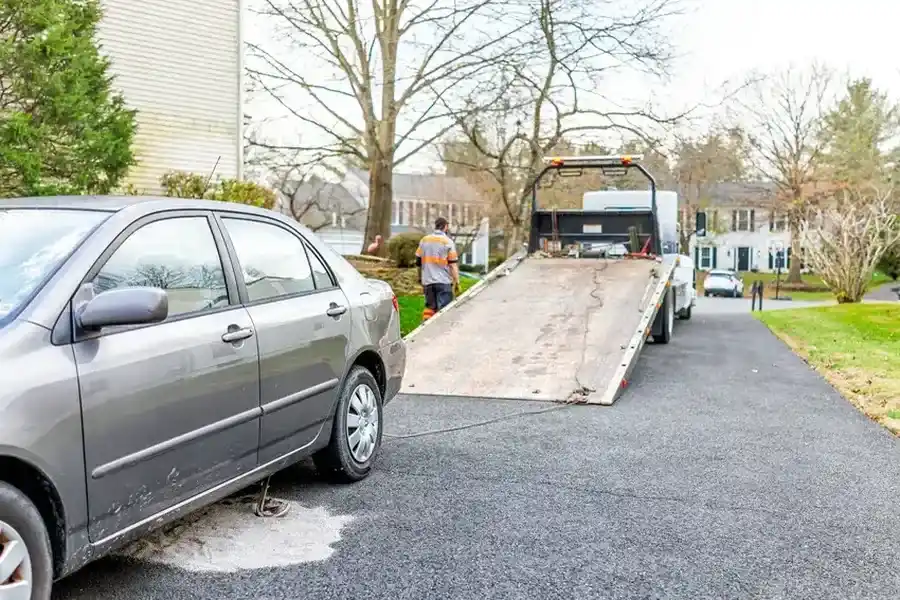
Here are clear signs your vehicle should be carried on a flatbed:
- Your car will not start and the wheels are locked.
- You were in a collision and parts are hanging loose.
- A wheel or axle is broken or bent.
- Your steering will not turn.
- You drive an all-wheel drive (AWD) vehicle.
- Your car sits very low to the ground.
- There is heavy transmission damage.
For example, if you hear grinding when you try to move, your transmission may be failing. Pulling it with two wheels on the road can make the damage worse. In this case, flatbed towing is the safer option.
Likely Causes Behind These Problems
Many of these signs come from serious mechanical issues or crash damage. A bad accident can bend the frame or break suspension parts. A hard hit to the curb can snap a control arm. Transmission failure can stop power from reaching the wheels.
All-wheel drive systems are another common cause. AWD vehicles often need all four wheels lifted. If not, the system can be damaged during towing. That is why many manufacturers suggest flatbed towing for these vehicles.
What to Check First Before Requesting a Tow
You can do a quick check while staying safe:
- Look under the car for leaking fluids.
- Check if any wheels are bent or pushed inward.
- See if the steering wheel turns normally.
- Try to shift into neutral.
- Listen for loud grinding or clunking sounds.
If the car will not shift, will not roll freely, or sounds very rough, do not force it. That can lead to higher repair costs. Let a towing professional inspect it.
Safe Fixes Vs Pro-Level Help
Some small issues, like a dead battery, may not require flatbed towing. A jump-start or battery replacement may solve the problem. A flat tire can often be changed on the spot.
But major damage is different. Broken suspension parts, severe engine trouble, and accident damage require professional handling. Trying to move the vehicle yourself can cause more harm. In these cases, flatbed towing keeps the car stable and avoids dragging damaged parts across the road.
This is especially true after highways crashes or when the underside of the vehicle is already compromised.
Prevention Tips to Avoid Bigger Towing Problems
While some breakdowns cannot be avoided, regular care helps reduce risk. Follow these basic tips:
- Keep up with oil changes and fluid checks.
- Fix small transmission issues early.
- Inspect tires and suspension parts often.
- Pay attention to warning lights.
- Do not ignore strange noises.
Early repairs can stop bigger problems that leave your car stuck in traffic or on the roadside.
When to Call for Flatbed Towing
If your vehicle is unsafe to drive, hard to steer, leaking fluid, or damaged from a crash, it is time to request flatbed towing. This is the safest way to move many modern vehicles, especially AWD and low-clearance cars.
If you are in Killeen, TX and facing one of these issues, do not take chances by choosing the wrong tow method.
Get Reliable Help When Your Vehicle Cannot Move Safely
At Elite Towing & Wrecking, we handle vehicle recovery with care and the right equipment. If you are dealing with accident damage or mechanical failure in Killeen, TX, we can arrange safe flatbed towing to protect your vehicle from more harm. Call us at (254) 258-7780 and we will help you decide the safest way to move your car.